
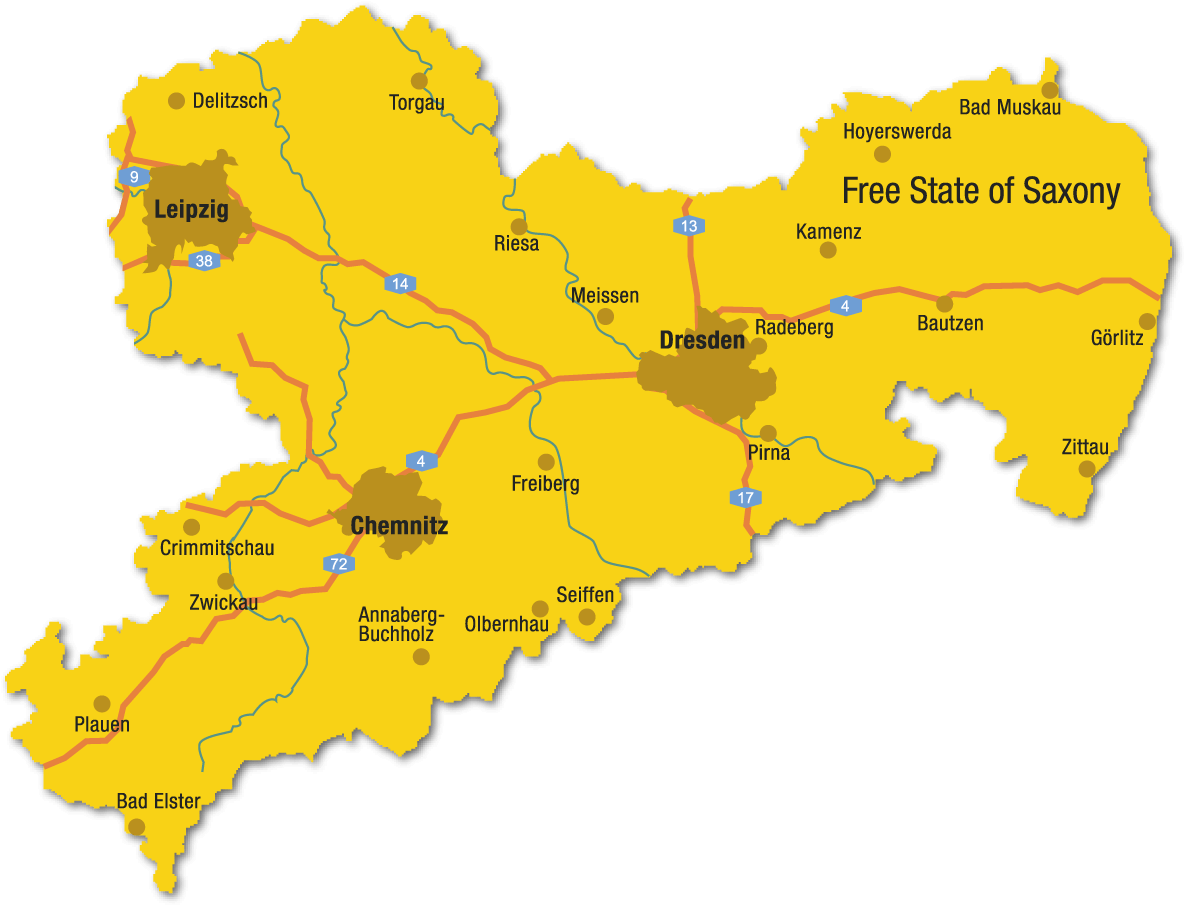
Permanent Exhibitoon including the "Escape Museum"

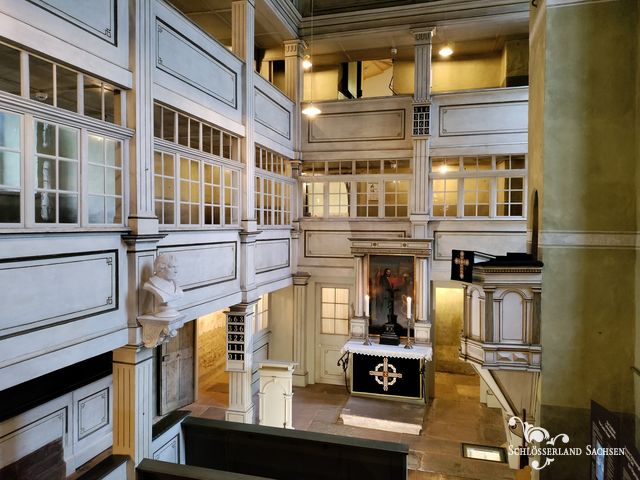

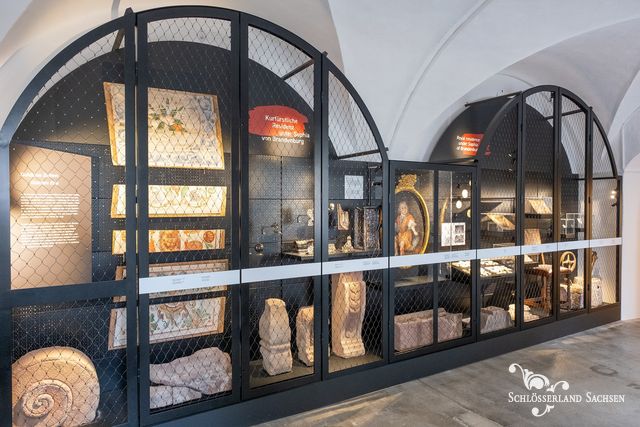
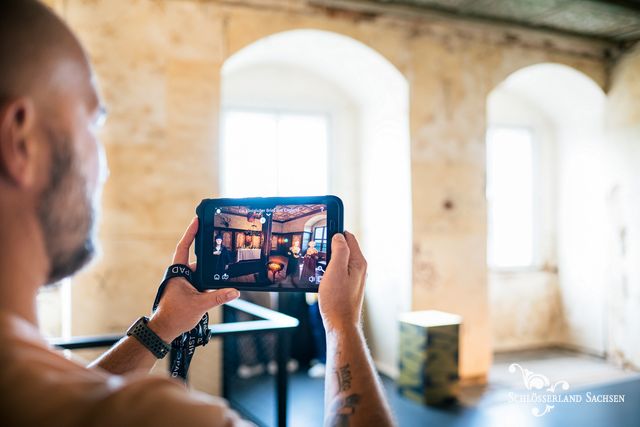
The new permanent exhibition at Colditz Castle explores the site’s eventful history across several periods. Parts of the historic buildings, left largely unchanged after their use as a hospital and nursing home ended in 1996, have been accessible to visitors since 2024. Their unrestored state offers an authentic glimpse into the many layers of the castle’s past.
A central focus of the exhibition is on the spectacular escape attempts by Allied officers held here during the Second World War. The Escape Museum provides insights into the prisoner database and presents original escape tools and materials.
At the same time, visitors can discover other chapters in the castle’s history, including its role as an electoral residence and its later use as a psychiatric institution.
The exhibition combines traditional museum elements with modern forms of interpretation. Alongside texts, historical objects, films, and interactive stations, visitors can use the “Histopad” tablet guide to experience digital reconstructions and augmented reality.
For more on the HistoPad click here.
Art Installation "84 Concrete Mattresses Against Forgetting"
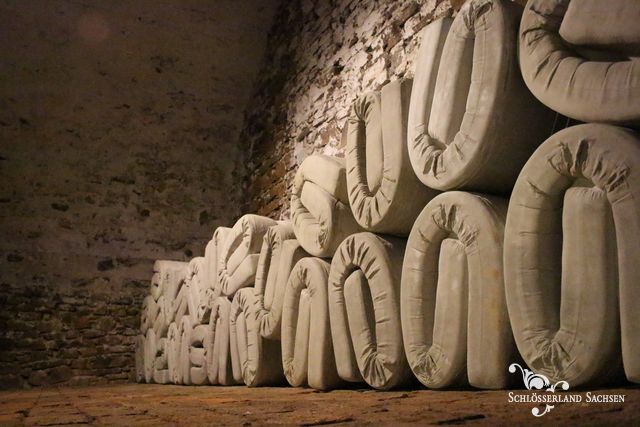
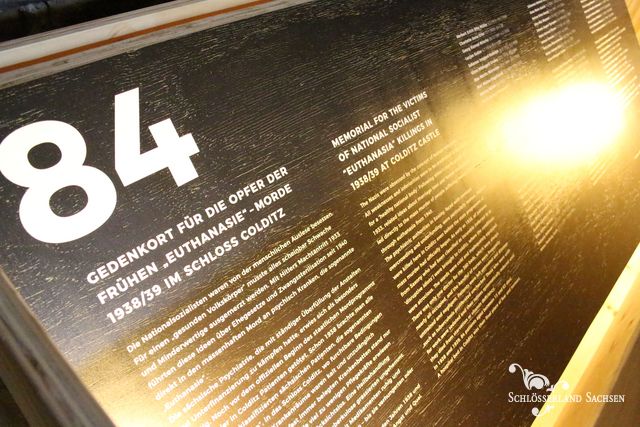
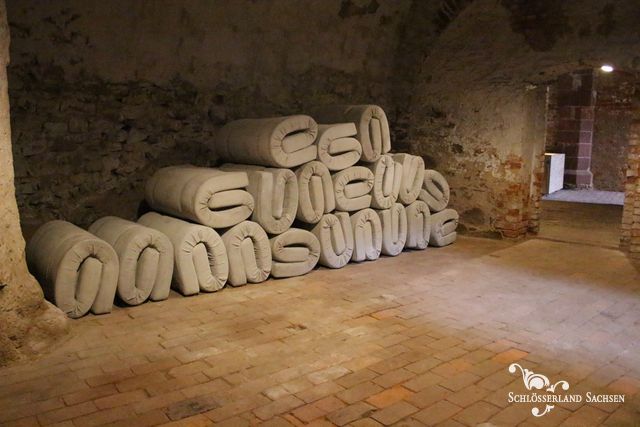
This installation by artist Thomas Moecker commemorates the victims of the early “euthanasia” murders carried out in the sanatorium and nursing institution at Colditz Castle.
The 84 mattresses cast in concrete symbolize the 84 psychiatric patients who were killed here under National Socialist rule. Installed in the basement, the artwork creates a powerful memorial space.
The concrete forms evoke a sense of permanence, preserving the memory of those who suffered. The installation stands as a reminder of the injustices committed an invites visitors to reflect on this chapter of history.
The installation is accessible via a staircase and can be visited free of charge.